 Digital Transactions Authoritative, insightful and timely information for payments professionals


It was only a matter of time before the heated competition for at-table restaurant point-of-sale volume moved to the drive-through lane and attracted front-line payments players. These include long-time providers such as Shift4 Payments Inc. and Oracle. Attracting such players is the potential sales volume. Drive throughs are said to account for between 60% and 70% of sales at outlets that have them.
And now, payments observers can add Toast Inc. to the list of drive-through POS providers.

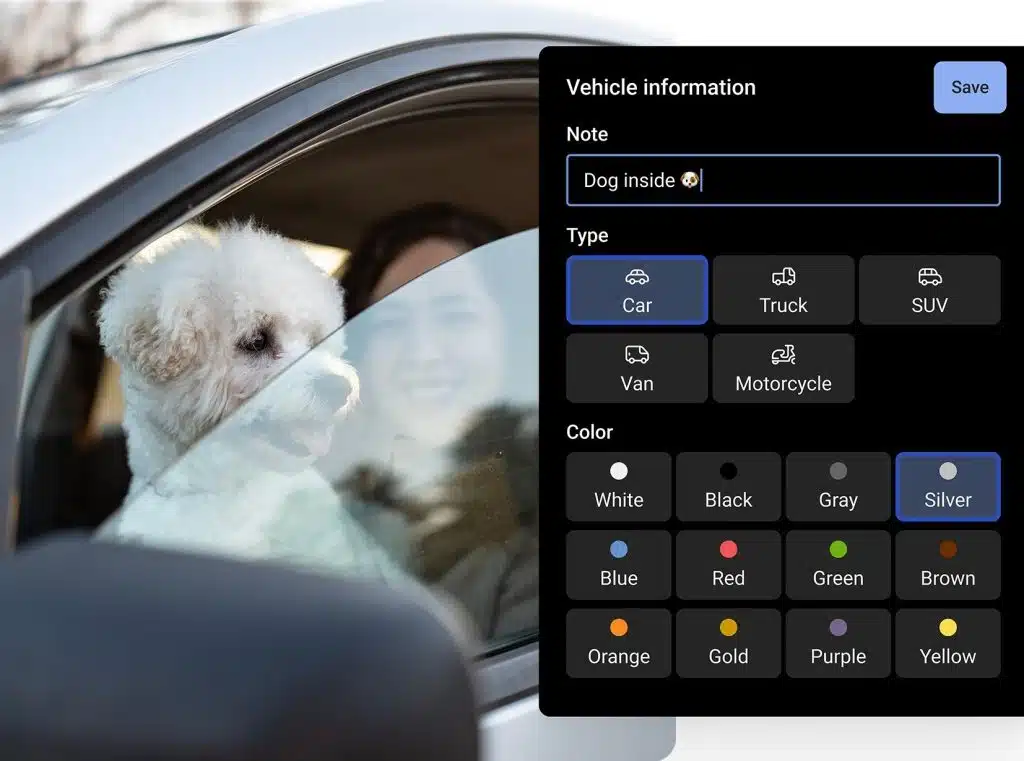
Known for its at-table POS technology, Boston-based Toast announced early Tuesday it is launching Toast Drive-Thru, a unit aimed at winning business from some 140,000 drive-through restaurants estimated to be operating in the U.S. market. The move in part relies on Delphi by Toast, a display system the company acquired in 2023 for an estimated $10 million. Another key feature is AI, which Toast says can cut time and costs by managing orders and displaying them for customer confirmation before payment.
With the technology in hand, Toast says it’s ready to replace fragmented drive-through systems and win part of the $140 billion in sales said to be processed through U.S. drive-through lanes. “Brands are constantly being pushed to balance speed and guest convenience with efficiency. At the same time, AI is giving brands new opportunities to impact this equation,” notes Steve Fredette, Toast’s president and co-founder, in a statement.
But observers caution technology will not by itself be able to account for failed orders or slow lanes for restaurant operators not accustomed to drive-through processing. And big chains like McDonald’s have had decades to smooth technical wrinkles, observers say.
“McDonald’s, Starbucks, and other players have been supporting drive-through for a long time, and are much better at it, with proven uptime reliability,” notes Cliff Gray, proprietor of Gray Consulting, a Chicago-based payments advisory. “Their POS software and [point-of-interaction] hardware is highly tuned to the challenges of drive-through. Toast will have to become very good at POI themselves, proving they can meet the high bar of reliability required, before they can challenge established technologies like these.”
On the other hand, operators like Toast may have advantages conferred by experience with restaurant technology. “They are good at transaction data management with their restaurant software,” says Gray. “That may prove beneficial to drive-through processing qualification. Likely, drive-through procedures and other differences may teach Toast as much as vice-versa.”

The lesson drive-through eateries have learned over the years, Gray adds, is that reliability matters more than anything else. “In a drive-through lane, if payment acceptance fails, that impacts the whole lane; the merchant could lose [five] sales instead of just one,” he says.
In the end, reliability and speed will matter more than slick POS, Gray warns. “Toast POS is top-notch, but mission-critical POI is not POS,” he says. “Their venture into the drive-thru space will depend on rock-solid POI. Drive-throughs are not countertops or e-commerce.”
Much will depend on how much, and how well, Toast learns the drive-through POS market. “They are good at transaction data management with their restaurant software, that may prove beneficial to drive-through processing qualification,” he notes. ”Likely, drive-through procedures and other differences may teach Toast as much as vice-versa.”