 Digital Transactions Authoritative, insightful and timely information for payments professionals

Consumers spend more and shop with greater frequency when friction is removed from payments, says a study from the payments provider Network Merchants Inc., also known as NMI.
Some 50% of respondents in the study said they shop more frequently when payments feel seamless, and 48% say they spend more at checkout when the process is fast and frictionless. At the same time, when consumers encounter friction during payments, half say they abandon their shopping cart.


NMI surveyed 1,000 U.S. adults for the study, titled “The Psychology of Payments.”

When merchants offer seamless, incentive-driven checkout experiences, such as loyalty programs, cash back, and buy now, pay later rewards, 52% of respondents say they shop more often. Among Gen Zers, that figure rises to 72%. Among adults with children under the age of 25, 67% say such seamless incentives get them to shop more frequently.
One-click checkout is a key feature for creating frictionless payments, with 52% of respondents saying they prefer secure, one-click online checkout over an in-person interaction with a cashier. That figure rises to 61% for busy parents, NMI says.
“This study confirms what we’re seeing across our platform: frictionless payments increase conversion rates, raise average order value, and strengthen loyalty,” Peter Galvin, chief growth officer for NMI, says in a statement.
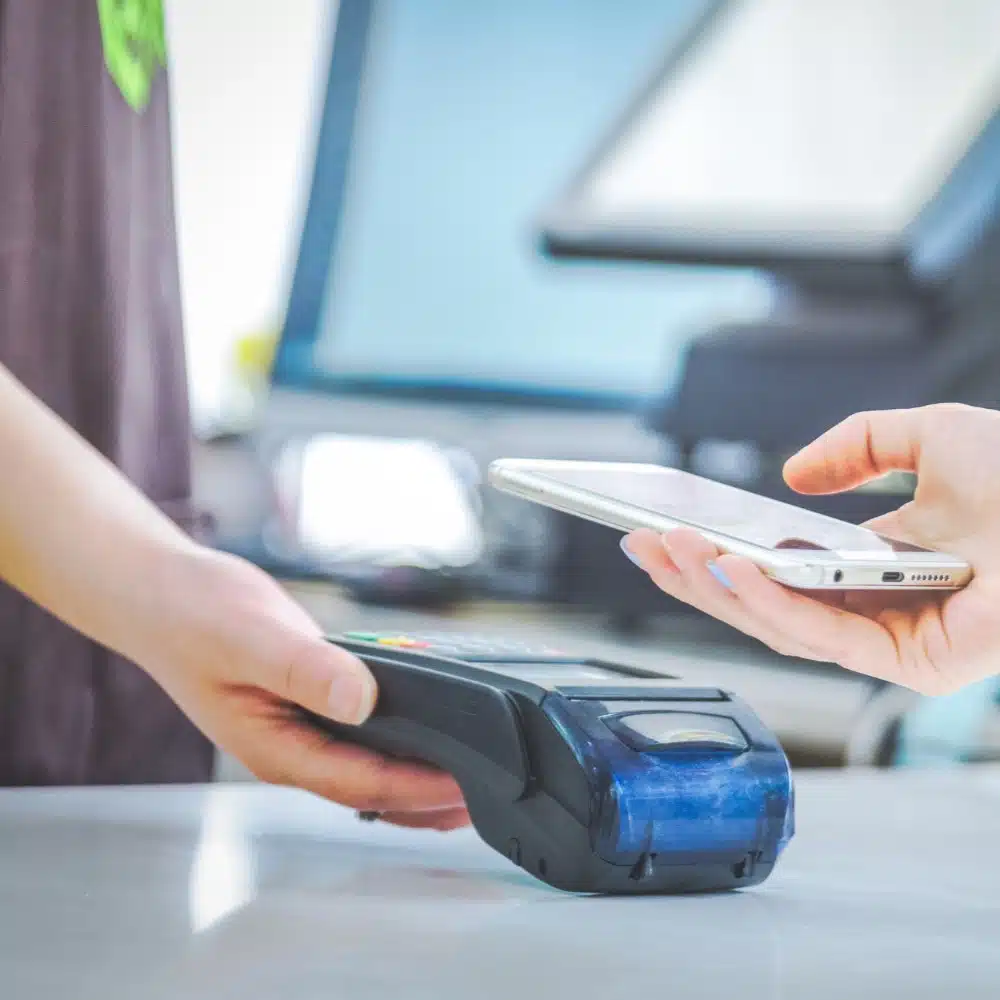
Younger consumers are gravitating toward digital-first behaviors. Among Gen Zers, 29% prefer digital wallets for both in-store and online purchases, compared to 18% of Millennials, 5% of Gen Xers, and 2% of Baby Boomers.
Debit also remains a popular payment option, with 44% of respondents saying they try to pay with their debit card to avoid carrying a large balance on their credit card. That figure rises to 47% among Millennials and 51% among Gen Zers. By comparison, 31% of Baby Boomers say they try to pay with a debit card.
Younger generations will also pay with cash to keep from overspending. Among Millennials, 13% say they will pay with cash to stick to their budget, while 17% of Gen Zers will do likewise. In comparison, 9% of Baby Boomers and Gen Xers pay with cash to avoid overspending.
The study also looks at how digital payments have shaped consumers’ views of money. One-fifth of respondents say digital payments have given them more tools to track spending and strengthened their financial awareness. At the same time, 33% say that while they value the convenience of digital payments, they feel more disconnected from their finances and are more likely to overspend.
Gen Zers are the most concerned that digital payments are making it easier to overspend, with 37% saying they’ve spent more at checkout without realizing it, compared to 22% of respondents overall. In addition, 29% of Gen Zers say frictionless payments have worsened their perception of money by making spending feel less real.
“As money becomes increasingly digital, we’re seeing two parallel trends. For some consumers, digital tools increase visibility and control,” Galvin says. “For others, frictionless checkout removes the hesitation that once accompanied spending.”
The opportunity for fintechs, Galvin adds, is to embed transparency, financial tools, and real-time insights directly into the payment experience. “When financial awareness evolves alongside convenience, digital payments can reinforce healthy habits and encourage smarter spending,” he says.