 Digital Transactions Authoritative, insightful and timely information for payments professionals

Klarna AB announced early Monday its pay-over-time service has become an available payment option in Google Pay in the United Kingdom, joining a list of payment services already operating through the wallet.
The move represents a major geographic expansion of previous actions by the two companies. Last year, Google Pay agreed to support Klarna installment payments in the U.S. market.


Sweden-based Klarna, which has developed an extensive network in Europe and the United States as installment payments grow in popularity, looks to its Google Pay integration as “a major step towards our goal of being available at every checkout, everywhere,” said Raji Behal in a statement. Behal is in charge of Klarna operations across Western and Southern Europe, the United Kingdom, and Ireland. Globally, Google Pay is estimated to have between 150 million and 250 million users.
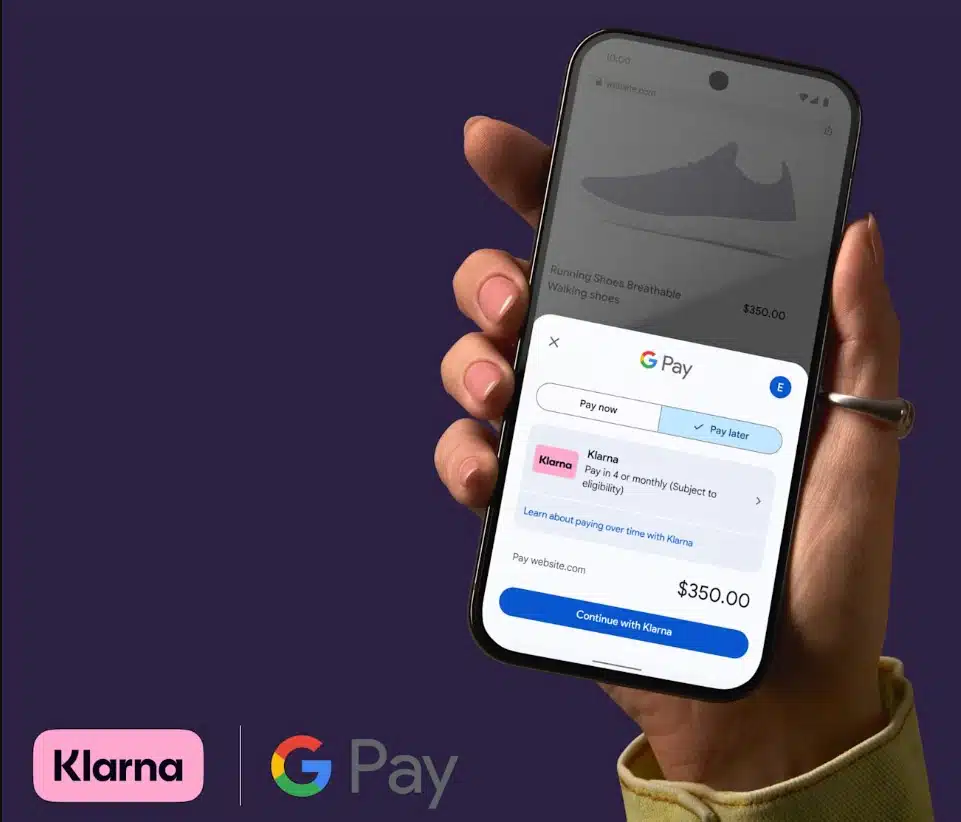
Through Google Pay, Klarna says it plans to offer its pay-in-3 installments option. In the integration, users will be able to track deliveries, manage returns, and make repayments when needed, according to the companies. Klarna claims 114 million users worldwide, with more than 43 million in the U.S. market, which the company entered in 2015. It has positioned its service as “a fairer alternative to traditional credit cards for everything.”
Klarna’s U.K. move comes as payment services already supported by Google Pay in that market include cards, bank account payments, PayPal, Google Play Balance, and charges to mobile-phone bills. Biometric authentication is required to trigger payments on Google Pay wallets.
Klarna, which processes for some 850,000 merchants, two weeks ago said it will work with Google and join the technology company’s Universal Commerce Protocol, an open standard backed by Google and aimed at controlling AI agents as they work with commerce platforms. Google’s launch of its UCP followed an earlier move to release its Agent Payments Protocol, or AP2.
The move to Google Pay follows a strong fourth quarter for Klarna, which said it processed $32.7 billion in volume in the period, a 43% rise from the same period in 2024.