 Digital Transactions Authoritative, insightful and timely information for payments professionals

Some 55% of remittance-sending consumers expect to send more or the same amount of money overseas in 2025, says Visa Inc.’s “2025 Digital Remittances Adoption Report.” In 2024, global remittances totaled $905 billion, up from $865 billion in 2023, according to the World Bank, a 4.6% increase.
In the United States, digital apps are the preferred method for sending and receiving remittances, with 69% of respondents saying they prefer to send remittances digitally and 61% saying they prefer to receive them digitally.

By comparison, just 5% of respondents in the U.S. prefer to use cash or checks to send a remittance, and 8% of remittance recipients prefer to receive the money via cash or check. Some 35% of U.S. respondents said they experienced a hidden fee when sending a remittance using cash, check, or money orders.
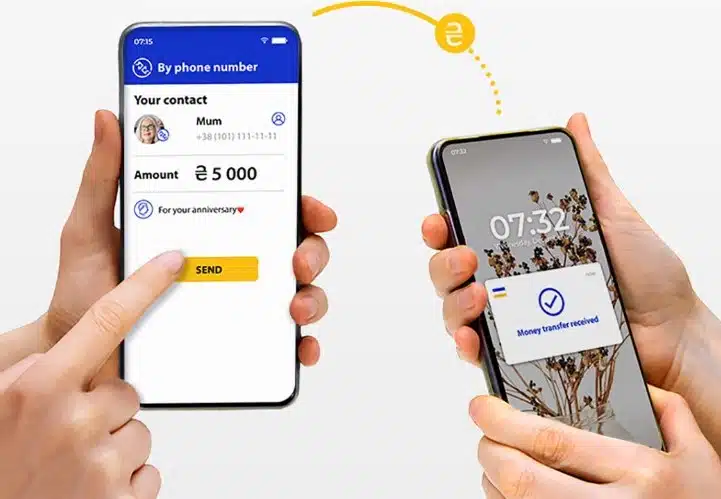
Ease of use is the leading reason U.S. consumers prefer digital apps for remittances, with 38% of respondents saying they prefer to send that way and 34% saying they prefer to receive money sent digitally.
Visa surveyed nearly 44,000 remittance senders and receivers across 20 countries in January for its research.
Privacy and security are also key reasons consumers prefer to send or receive remittances digitally. Some 36% of remittance senders and 36% of remittance recipients cited security and privacy as reasons they prefer to use digital apps.
In the U.S., 74% of respondents said they expect to send at least one remittance a year, up 13% from a year ago, while 60% expect to receive at least one remittance annually, the report says. Among those surveyed who do not use digital transfers, 58% said they are likely to use them, a 7% increase from a year ago.
The top reasons for sending remittances as cited by respondents in the U.S. were unexpected need (36%), holidays (29%), and special occasions (29%). Some 28% of respondents say they send remittances for a general and specific humanitarian need. The top reasons for receiving remittances in the U.S. were holidays (32%), special occasions (28%), and unexpected needs (22%).
High fees topped the list of pain points, cited by 27% of U.S. users digitally sending remittances. Some 24% of digital recipients cited fees as a problem.
“Digital remittances are being embraced across North America due to their ease of use, reliability, and improved security,” Ben Ellis senior vice president and head of Visa B2B Connect, says in a statement. “As digital remittances become more prevalent, transparency and customer satisfaction will be essential to meet evolving consumer expectations.”
Looking ahead, Visa says that, while digital remittances have “revolutionized” the remittance industry, room for further innovation remains. “Continued expansion of digital options to send money around the world, and emerging technologies such as stablecoins, are poised to improve the speed, cost, and security of international remittances,” Luba Goldberg, senior vice president, Visa Direct Product, says in a statement.