 Digital Transactions Authoritative, insightful and timely information for payments professionals

Allowing customers to pay via a text message is becoming reality faster than you might have supposed.
Text messaging has been around for decades. It’s a simple tool for connecting. But what’s happening right now with the beginning of the widespread adoption of Rich Communication Services, or RCS, is nothing short of a transformation. RCS isn’t just about sending better texts. It’s poised to fundamentally redefine how payments happen, truly ushering in a new era of conversational commerce.
For decades, businesses have tried everything—phone calls, mail, emails, apps—to reach customers. Frankly, this is overwhelming for consumers. The messages are noise. Consider consumer finance, where people are juggling multiple bills and trying to remember logins for confusing online portals. It’s a nightmare, and it leads to delayed or abandoned payments, lower recovery rates, and increased costs for everyone.
If making a payment is too much work, people don’t do it. It’s that simple.
Modern consumers, especially Gen Z and Millennials, scream for simplicity, speed, safety, and ease when transacting. Where do they want to interact and transact? Right there, in their native texting app. After all, it’s the channel they use constantly, all day, every day, for personal communication.
Meeting customers on their phones isn’t just a good idea. It’s a direct line to engage with maximum impact. You know they’re looking at their phones throughout the day.
Text and Pay
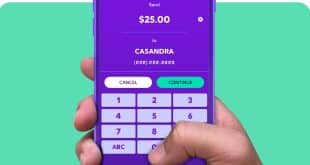
RCS is a payments breakthrough. It takes the basic, one-way short-message service and turns those simple texts into secure, interactive experiences. We’re moving way beyond just sending a notification. RCS enables secure, branded, and compliant two-way interactions directly within the messaging interface. That means significantly increasing customer engagement.
Currently, text-based solutions demonstrate the sheer potential of embedding the payment process directly into the texting conversation. This means there’s not just a link to some external portal you have to log into. No, the goal is to make getting paid just one text away, with no portals and no hassles.
Imagine that you get a payment reminder via text. You then simply respond with a keyword reply to start the transaction. The system confirms the details, asks for your okay, processes the payment, and sends you a confirmation message, all within the native texting app. No app downloads, no portals, or forgotten logins. That’s the experience customers want.
Texting doesn’t just outperform other channels. It absolutely crushes them. It drives significantly
more completed payments because 98% of messages are opened and read within five minutes. This offers unparalleled reach and visibility.
Messages only matter if the audience gets them and knows who they are from. That direct line, that impact, delivers results. We’re seeing 2x payment generation compared to mail, phone, and email. Also, this approach lets consumers act immediately, leading to 50% faster payments, and they’re 85% more likely to pay on time because of those seamless reminders.
‘Tangible Benefits’
Texting beats every other channel, five to one, in terms of completion of payment.
The tangible benefits we’re seeing today across the entire loan journey underscore the power of this approach:
- Originations: Text messaging can dramatically improve loan application completion through timely notifications. This leads to increased loan volume and faster time-to-funding. We saw a 25% increase in application approval to funding conversions as reported by one national lender. Think about the impact of losing 40% of loan-application acceptance rates when not using texting.
- Servicing: Providing relevant account updates via text maximizes customer engagement and retention. It streamlines case resolutions and genuinely enhances the customer experience through real-time communication. We’ve seen call-center time-to-resolution drop from eight minutes to just two minutes using text.
- Bill Payment & Collections: Delivering payment options directly to people’s phones drives faster payments, reduces delinquencies, and significantly improves recovery rates. Using text for payment-plan reminders reduces broken promises-to-pay. One company saw a 20% reduction. Organizations are achieving a 70% retention rate across all contact channels. This is tangible. This is real.
Overall, leveraging texting for financial communications has demonstrated significant outcomes, including up to a 400% return on investment for texting programs and a 97% reduction in time to revenue. We’re talking about reducing chargeoffs by 10%, increasing collection rates, and decreasing day sales outstanding. This is why we are laser-focused on this space.
As RCS adoption becomes more widespread, the potential for payment interactions explodes:
- Enhanced Branding and Trust: RCS brings verified sender profiles, with business names and logos. In finance, this is crucial for building the trust needed for payment messages. Messages only matter if the audience gets them and knows who they are from.
- Richer, More Intuitive Interactions: It goes beyond simple text. RCS supports richer media, suggested replies – making the conversation much more streamlined and user-friendly. It can perform actions comparable to an app.
- Deeper Embedding of Functionality: RCS facilitates even tighter integration. We can embed more complex interactions directly within the message thread. Imagine opening a credit card or instantly dropping a virtual card into a mobile wallet via text.
- Streamlined Service Integration: Banks can combine payment requests with real-time customer service within the same messaging thread. This transforms a simple transaction into a seamless, full-service conversation, shifting customer interactions away from call centers and toward preferred digital-messaging channels.
This increasing sophistication allows payments to move from a separate, often frustrating task into a natural, intuitive part of the ongoing customer relationship.
‘Compliance First’
Now, let’s talk about the elephant in the room: compliance. For us, it’s foundational. As conversational commerce continues to evolve, maintaining compliance becomes increasingly critical. In consumer finance, even small mistakes can lead to significant consequences.
Any solution delivered via messaging, particularly for payments, must strictly follow regulatory requirements and security best practices.
We purpose-built our platform with compliance at its core. We check user identity, location, time of day, contact history, consent status—that is, whether someone has opted in or out—and the content of each message. It’s not easy, but this “compliance-first” approach is essential for building trust and making messaging a viable payment channel.
We see ourselves as a safeguard, helping customers stay on the right side of compliance while navigating complex regulations.
Ultimately, RCS isn’t just changing text messaging. It actively transforms the payments landscape by enabling verified, interactive, and compliant transactions directly within the messaging channel. It solves those painful problems with traditional methods and aligns exactly with what modern consumers expect.
Breaking through the noise requires precision, reach, and results. Texting gives you the reach, and RCS delivers precision and that seamless experience, leading to significant, demonstrable results. The future of payments is increasingly conversational, and I can tell you, from what we’re seeing, effective conversations truly pay off.
—Dave Baxter is chief executive of Solutions by Text.