 Digital Transactions Authoritative, insightful and timely information for payments professionals


Defendants in the long-running legal battle over merchants’ card-acceptance costs officially filed an Amended Settlement Agreement Monday. The agreement, filed in the United States District Court for the Eastern District of New York, will provide plaintiff merchants meaningful relief by remedying the concerns expressed by the court over a previously rejected settlement offer and offers reforms “far beyond those the Court discussed,” the agreement says.
In June 2024, Judge Margo Brodie, who is overseeing the case, rejected a settlement agreement by defendants, which essentially sent them back to the drawing board to draft a new settlement offer.

The latest offer was prepared by defendants “along with the close involvement of an independent mediator, to provide merchants clarity and certainty in several areas related to their acceptance of payment cards,” Mastercard Inc. said in an 8-K statement filed with the Securities and Exchange Commission. Publicly traded companies are required to file an 8-K statement when major events that could affect shareholders occur. Defendants in the case include Mastercard, Visa Inc., and several major banks, including Bank of America Corp., Capital One. Financial Corp., and Citibank N.A.
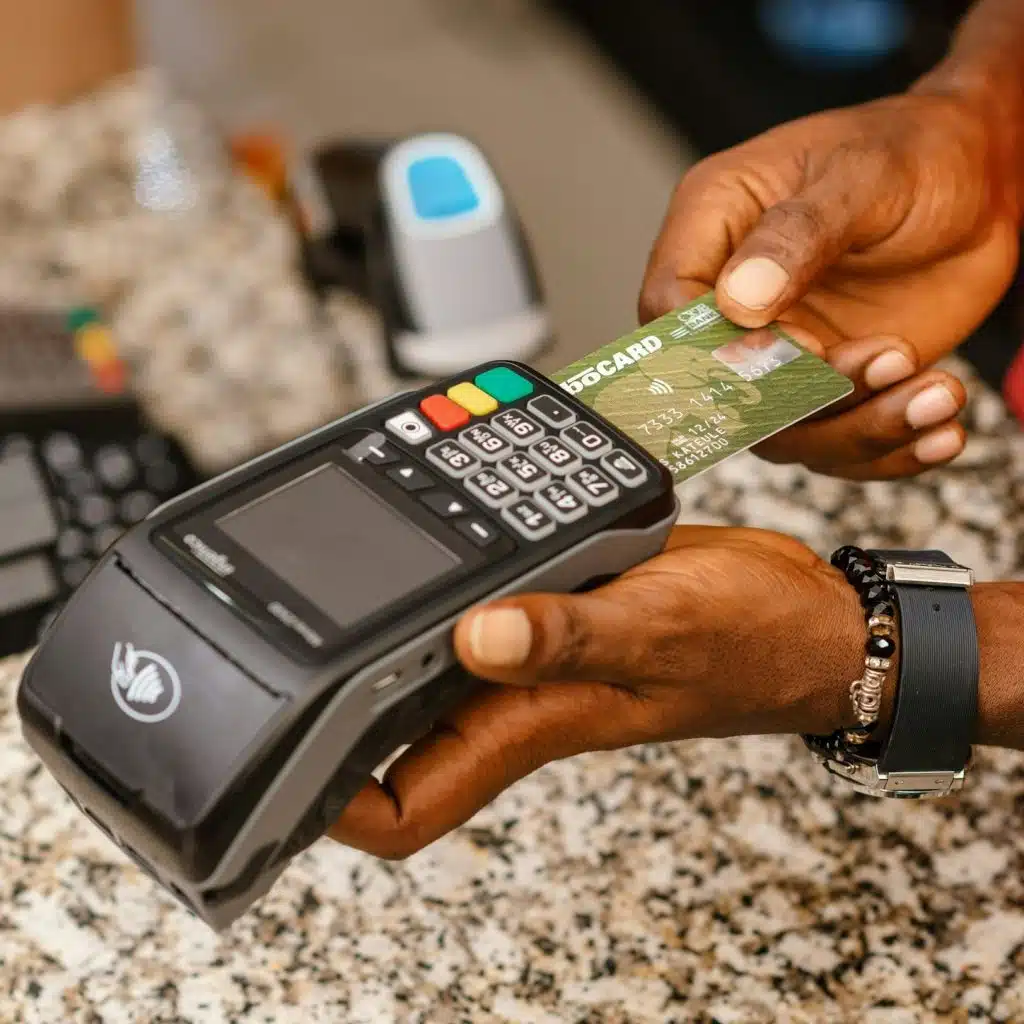
Relief defendants are offering merchants include “sweeping changes” to Visa’s and Mastercard’s honor-all-cards rule, allowing merchants to levy surcharges on transactions on Visa and Mastercard branded cards, and multi-year interchange rate reductions, according to the agreement.
Under the terms of the agreement, Visa and Mastercard will implement a 10-basis point interchange reduction for five years and cap the rates for standard consumer credit cards at 125 basis points “for at least 8 years.”
The settlement also provides allowances for merchants to negotiate interchange rates with individual card issuers, as well as at the brand and product levels. That provision also extends for “least another eight years” an expired DOJ consent decree requiring Visa and Mastercard to permit discounting at the brand and product levels, according to the agreement.
“Mastercard has not previously permitted issuer-level discounting. Visa permits issuer-level discounting, but that policy is not reflected in its rules,” the settlement says.
Modifications to the honor-all-cards rule will for the first time permit merchants to decide what cards they want to accept, within three categories—commercial, premium consumer, and standard consumer cards. Merchants will no longer be required to accept digital wallets “because they contain a Visa or Mastercard branded card.”
Merchants will also be allowed to levy surcharges of up to 3% on Visa- and Mastercard-branded cards to help offset card-acceptance costs, which include processor fees, as well as network and interchange fees. The settlement also requires both networks to amend their rules to allow for merchant surcharging.
“After more than 20 years of litigation, Visa and Mastercard have reached a proposed settlement with U.S. merchants of all sizes that would provide meaningful relief, more flexibility, and options to control how they accept payments from their customers,” Visa said in a statement.
In a separate statement, Mastercard said the settlement offer will deliver “the clarity, flexibility, and consumer protections” merchants seek and provide small merchants “more acceptance choices, reduced costs, and simplified rules” that will allow the network to “give consumers, small businesses, and larger merchants what they expect from Mastercard – a better payments experience, strong value, and peace of mind.”
According to the Electronic Payments Coalition, which is not a defendant in the case, documents filed with the court by plaintiffs estimate the proposed reforms will save more than $200 billion in acceptance costs over eight years. Plaintiffs in the case are all merchants.
Despite the projected savings, merchant organizations contend the latest settlement agreement does not address merchants’ underlying problem with card-acceptance costs, which is that defendants have built a payments ecosystem that does not enable true pricing competition, they contend.
“There is a wall blocking merchants from a competitive market, and while the agreement pokes some holes in the wall, the wall is still there,” says Doug Kantor, a Merchants Payments Coalition executive committee member and general counsel for the National Association of Convenience Stores.
Neither the MPC nor NACS is a plaintiff in the case.